Validation Environment
Live Litigation Use
We run Mockingbird now in production — active, high-stakes litigation across multiple forums.
Autonomous Litigation Intelligence
Mockingbird watches every matter around the clock. When a contradiction surfaces or a deadline looms, it investigates, builds the sourced response, and drops it in your review queue — no prompt required.
Investor Snapshot
Every output links to the underlying record. Privilege boundaries are structural, not contractual. The result: faster case assessment, stronger strategy, and fewer surprises at deadline.
Validation Environment
Live Litigation Use
We run Mockingbird now in production — active, high-stakes litigation across multiple forums.
Time-To-Value
Hours, Not Weeks
Early case assessment that took weeks now finishes in hours. Every finding links to the record.
Security Model
Privilege-First
No client data is stored, sent externally, or used for model training. Boundaries are built in, not bolted on.
Commercialization
Internal Method To Product
We built this for our own litigation. Now we are packaging it for yours.
Why Mockingbird
A single matter can produce more documents than your team will ever read. Manual review augmented by keyword search retrieves documents but misses the relationships between them. Gaps surface at the worst moment — at deposition, at trial. Mockingbird maps contradictions and timelines across the full record. Every output links back to its source. The model compounds: every document sharpens it. Within weeks the platform holds the case better than any single attorney on your team. Attorneys set the strategy. The platform runs against it overnight and between hearings. The drafts are sourced, cited, and waiting when the team arrives.
How It Works
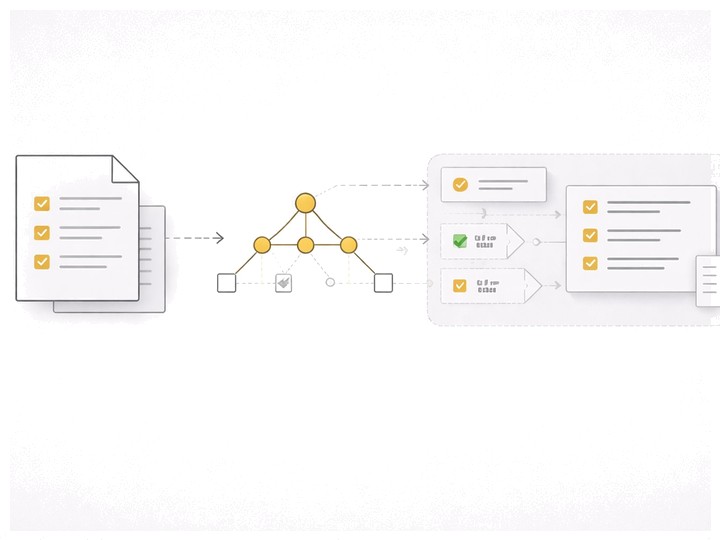
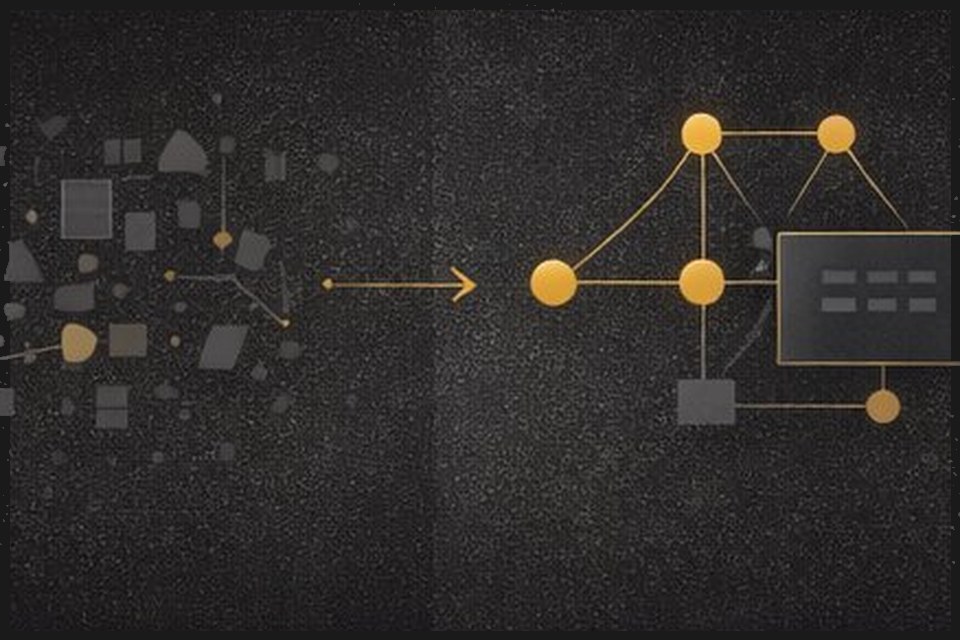
You hand Mockingbird a document production. It hands back structured, citable elements — facts, assertions, dates, entities, and relationships — each traced to its source page.
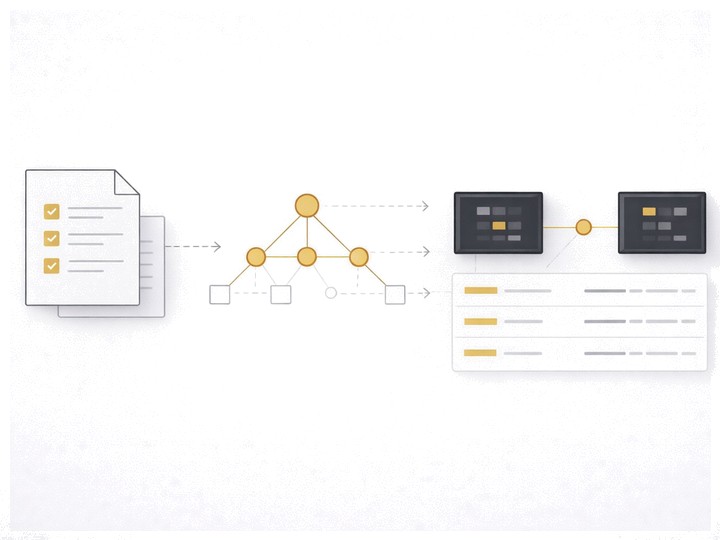
Mockingbird builds evidence models from verified elements. It maps where witnesses contradict each other and flags gaps in the documentary timeline before your team discovers them at deposition.
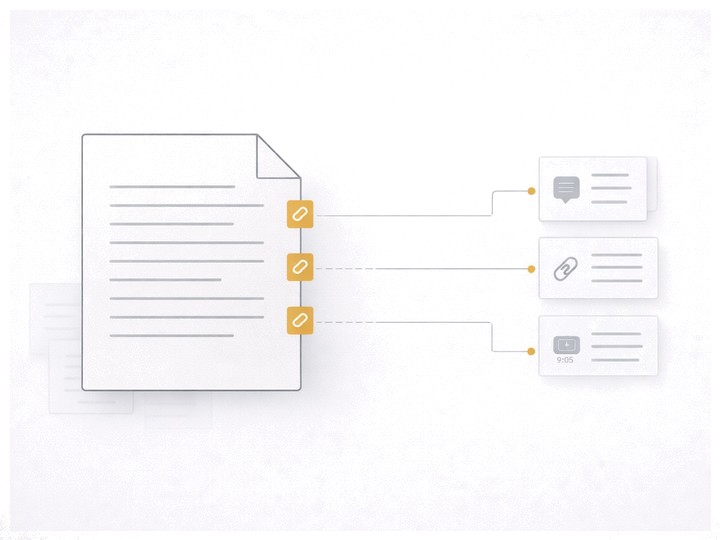
Your attorneys set the strategy. Mockingbird runs against it — not on command, but continuously. A contradiction surfaces between two witnesses at 2 a.m. By morning the sourced draft is in the review queue. No one requested it. No one knew it was needed. If a finding cannot show its work, it does not ship.
Services
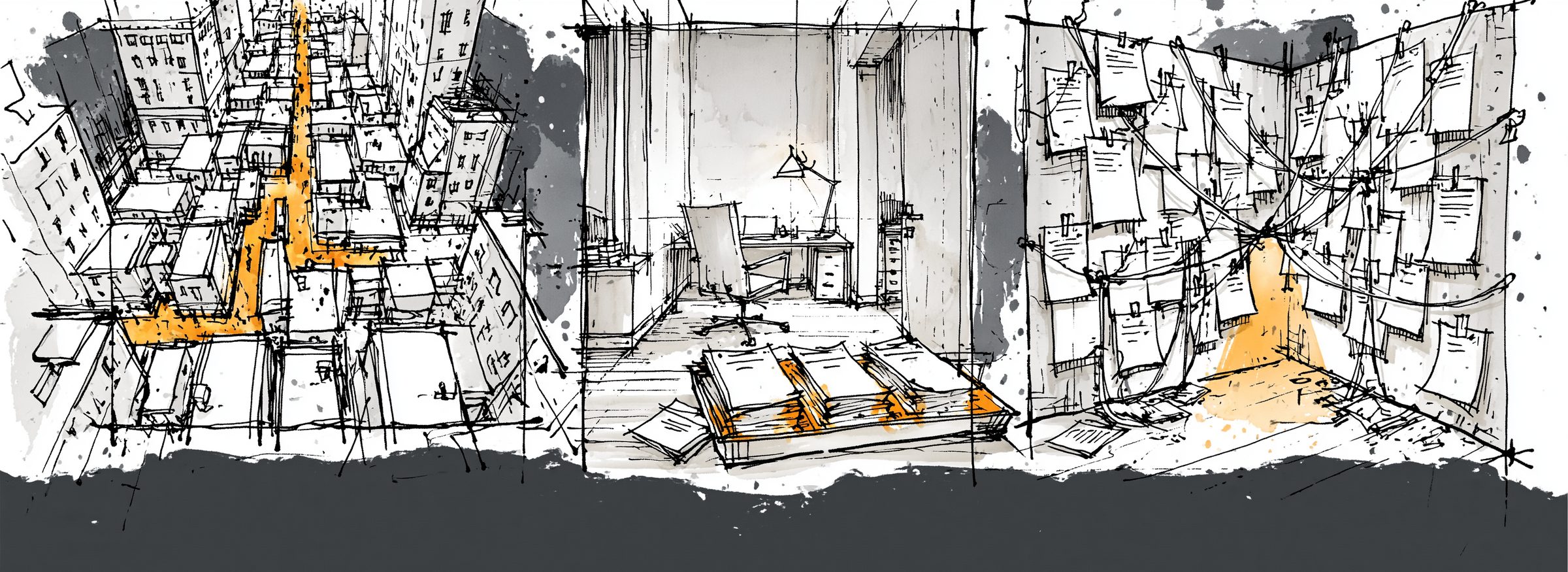
One clear path through the maze — the route that matters, in minutes.
The work is waiting when you arrive — assembled overnight, ready to review.
The gap gets caught early — flagged before the other side sees it.
The Problem
Modern litigation produces more discoverable material than manual review can consistently analyze. Keyword search retrieves documents but misses the relationships between them — the contradictions, the timeline gaps, the patterns that win or lose a case.
Mockingbird lives in that gap.
Built For
Hundreds of thousands of documents. Dozens of witnesses. Your team needs structure before strategy, and keyword search does not give it to you.
Trial is approaching. Your team has forty binders and institutional memory distributed across associates who have since moved on. Mockingbird holds the full picture and never transfers to another practice group.
You moved past keyword search. TAR handles relevance, but it does not give you analysis you can reuse across the life of a matter.
You manage outside counsel but rely on their read of the record. Mockingbird gives you independent analytical capability over the same evidence — and it never forgets a document when the partner assignment changes.
Questions
Mockingbird runs inside your security perimeter — on-premises or in your firm's private cloud. We store no client data, send nothing externally, and use nothing for model training. Privilege boundaries are architectural.
Complex commercial litigation, class actions, regulatory investigations — any matter where the document count has quietly exceeded the team's ability to track it. Most teams know when they have crossed that line. Few have a plan for it.
No. No one has ever won a case by citing their software. Mockingbird produces structured analytical inputs — evidence models, source-attributed memoranda, contradiction maps. The infrastructure surfaces what the record contains. The team decides what it means.
No. Attorneys approve the strategy and priorities. Mockingbird runs against them continuously. When a contradiction surfaces or a new production shifts the timeline, the platform drafts the response and sources it to the record without a query. The team reviews what the platform found — not what the team remembered to ask about.
Yes. You read that correctly. The platform reads the real-time transcript and maps it against the full case record — in the room, not after the fact. Courts are writing the rules on AI in proceedings. We welcome that. If a court asks what the platform did during a deposition, we can show them.
Every output links to specific source documents, page numbers, and extracted facts. Attorneys can audit any assertion back to its evidentiary basis. The chain is visible and editable — not buried in a log file.
A private cloud or on-premises environment meeting minimum compute specs, plus your document production in standard formats. Our deployment team handles configuration. Typical time to first analysis: under two weeks.
Yes. Mockingbird imports standard exports from Relativity and Everlaw. Integration fits your existing matter setup. No full retooling required.
Pricing depends on matter size and deployment scope. We set terms during a technical and security scoping call. No published rate card — we price to the matter.
Get in Touch
Describe your matter. We will tell you if we can help.